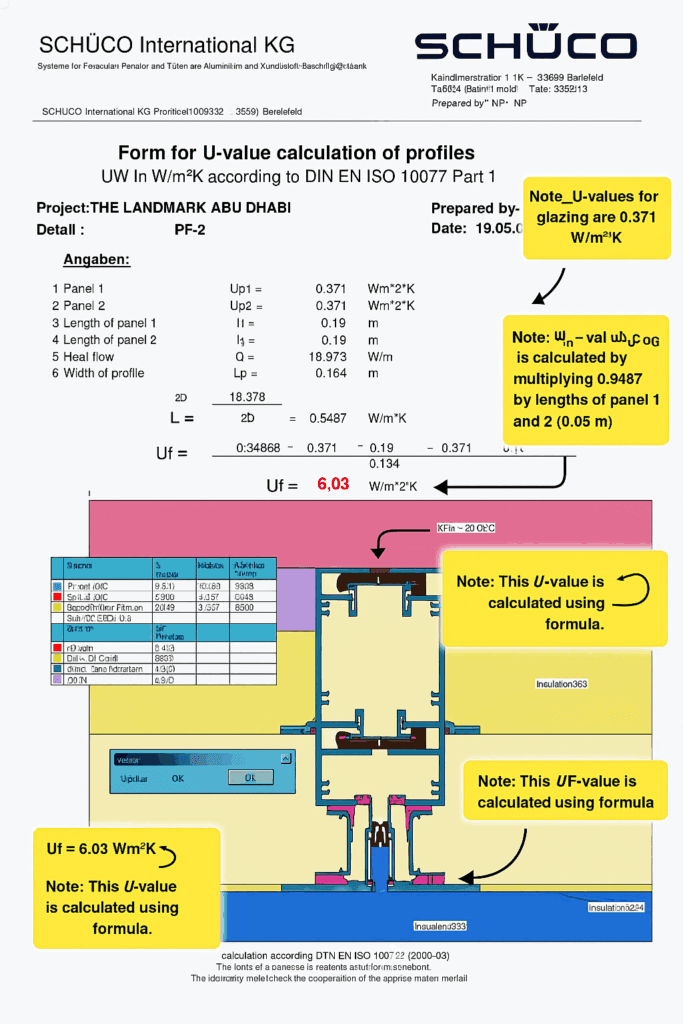
Thermal transfer through curtain wall systems is one of the most critical aspects of building façade performance. When designing glass façades for high-rise buildings, such as The Landmark Tower in Abu Dhabi, accurate thermal transmittance (U-value) calculations determine how much heat passes through glazing, mullions, and transoms. SCHÜCO, a global leader in façade and aluminium […]
Category Archives: Structural
Leading structural engineering services providing innovative and safe design solutions to enhance the durability and functionality of various projects
This generic method statement outlines the sequence, controls, and quality checks for casting reinforced concrete water-retaining walls. Use with your project’s drawings, specs, and ITP. Content and sequencing align with best practice distilled from approved method statements. 1. Scope Provide materials, labour, plant, supervision, inspections, and tests to cast RC tank walls to the required dimensions, finish, […]
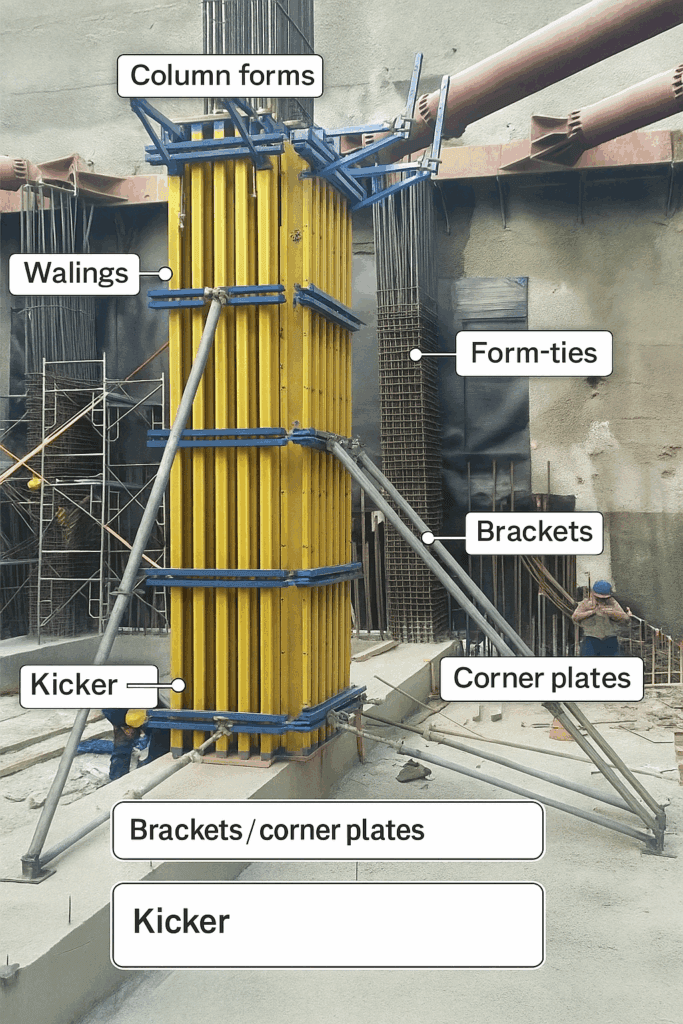
Concrete columns and shear walls carry the skeleton of your building. Executed well, they deliver strength, alignment, and a high-quality finish; executed poorly, they lock defects into the frame. Below is the proven sequence from an approved Method Statement for Casting Vertical Elements used on major projects. 1) Scope & Purpose This procedure covers the […]
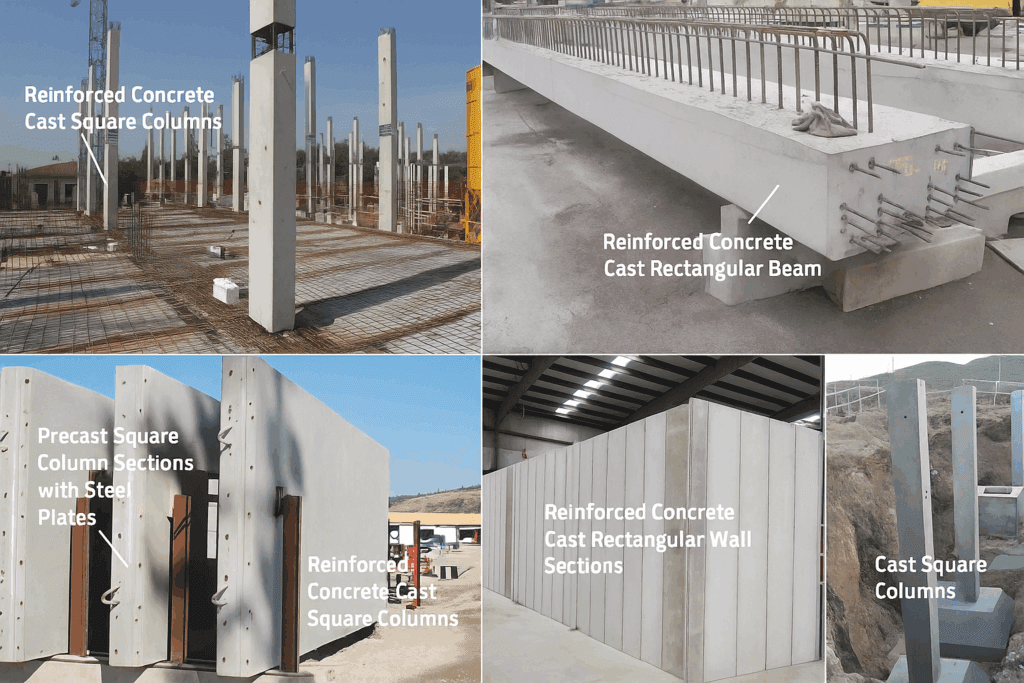
Rectangular and square concrete columns form the backbone of modern reinforced concrete structures. Their precision, durability, and strength depend entirely on following a systematic procedure for reinforcement, formwork, and concrete casting. Below, we summarise the standard method of casting rectangular and square columns, derived from the Landmark Tower Project 1. Scope and Purpose The procedure […]
Damage at the underside (soffit) of a concrete slab—like blowholes, honeycombing, hairline cracking or cover defects—needs more than a cosmetic skim. Below is a proven, inspector-friendly workflow for soffit repair and protective coating, distilled from an approved method statement and data sheets (Renderoc BF repair mortar + primer, followed by Dekguard S protective coating). When […]
Concrete columns are the backbone of frames—so when they suffer from honeycombing, cover loss, or early formwork strike damage, the repair must restore structural capacity, durability, and cover—not just appearances. Below is a proven, inspector-friendly method that we use on live jobs for circular and rectangular columns, based on a formal method statement and the […]
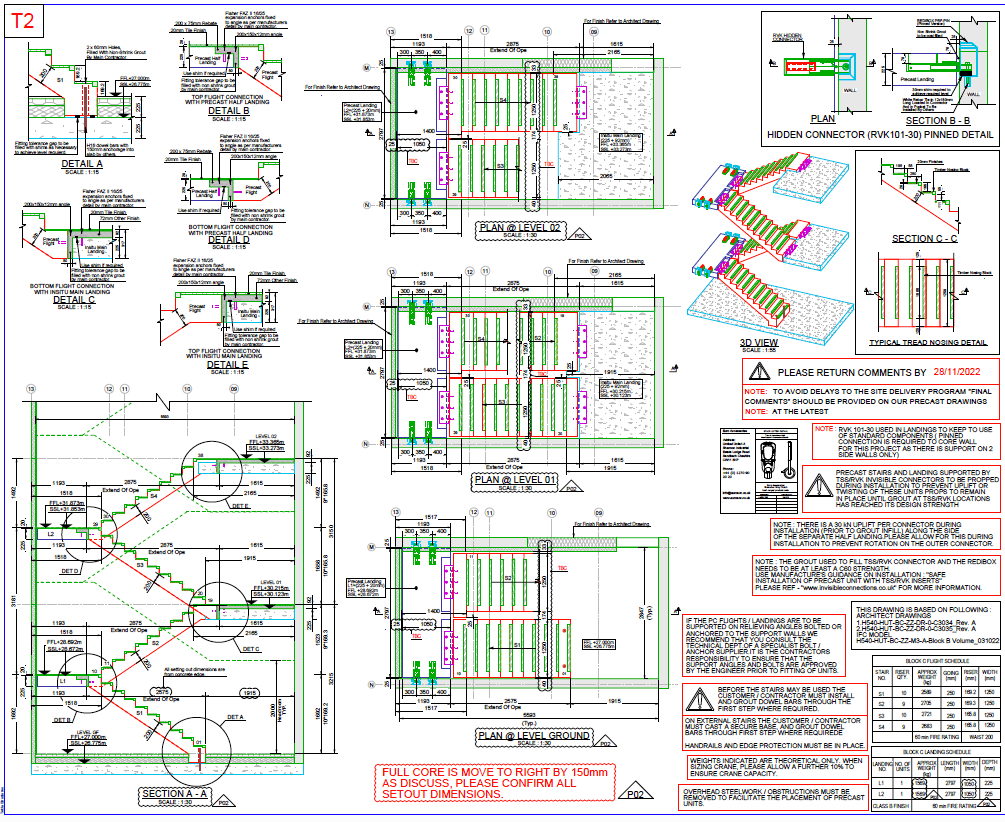
Concrete staircases need more than good shuttering and a smooth finish—done right, they’re a sequence of surveyed set-outs, staged inspections, strict safety measures, and tightly controlled pour/strike timing. Below is a clear, practical guide distilled from an approved Method Statement for Casting the Staircase, including pre-pour checks, nosing details, cube testing, and records you should […]
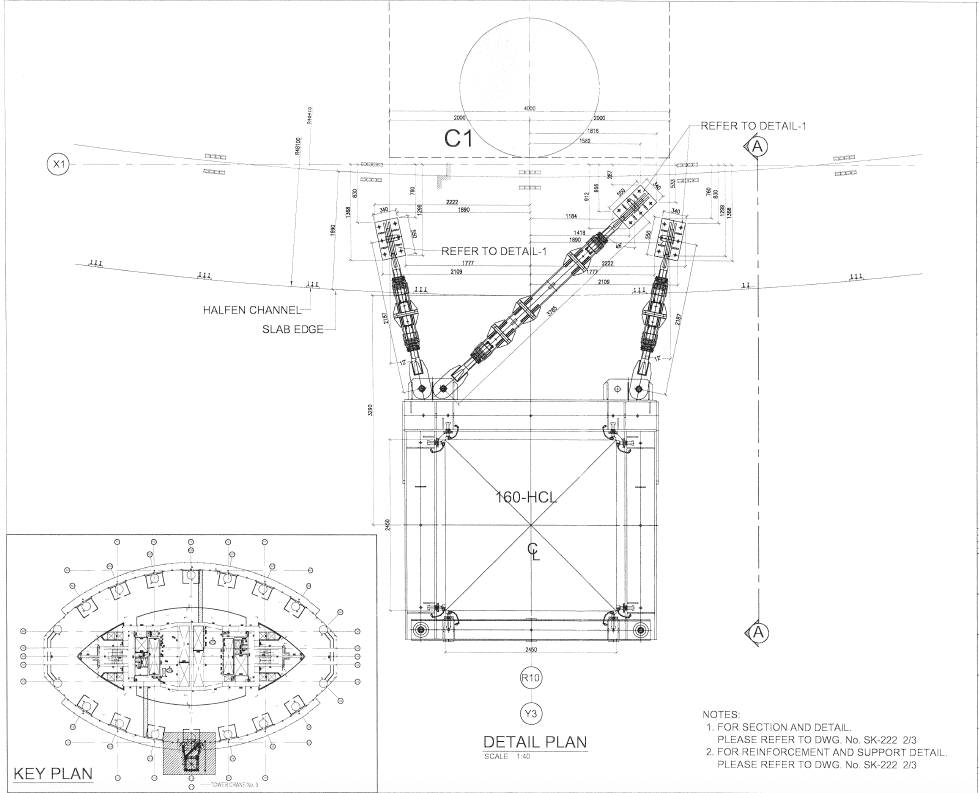
Why lateral supports (tie-ins) matter A free-standing tower crane quickly reaches its stability limit as height and wind exposure increase. At set building levels, we brace the mast back to the permanent structure via engineered tie-ins so overturning and sway are controlled under storm wind and out-of-service conditions. The project document shows tie-in levels at […]
The challenge Mid-tower, the original scheme relied on a 400 mm transfer slab with column lines punching through a constrained core. That approach was heavy, costly to prop, and difficult to build without programme-breaking deflection control. I proposed a strategic change: replace the column forest with blade walls and engineer a dedicated support system so […]
When you see a tower rise or a basement slab go down on time, safely, and within budget—it’s not luck. It’s the result of clear, auditable engineering design criteria agreed at the start. This document is the structural team’s “contract with physics”: it fixes the codes to follow, the materials and strengths to use, the […]